Wakayama · Japan
Best Time to Visit
The Kii Peninsula doesn't have one peak season. It has several, spread across the year and scattered across the region. Here is what is actually happening each month, in one place.
One region, several separate calendars
This site covers several distinct areas — Koyasan in the mountains, the Kumano Kodo and its three grand shrines, Shirahama on the coast, Nachi and Katsuura, and Wakayama City — plus single sights and festivals around them. No one "best season" suits all of them. A festival date is fixed regardless of weather; a bloom date shifts by a week or two depending on the year.
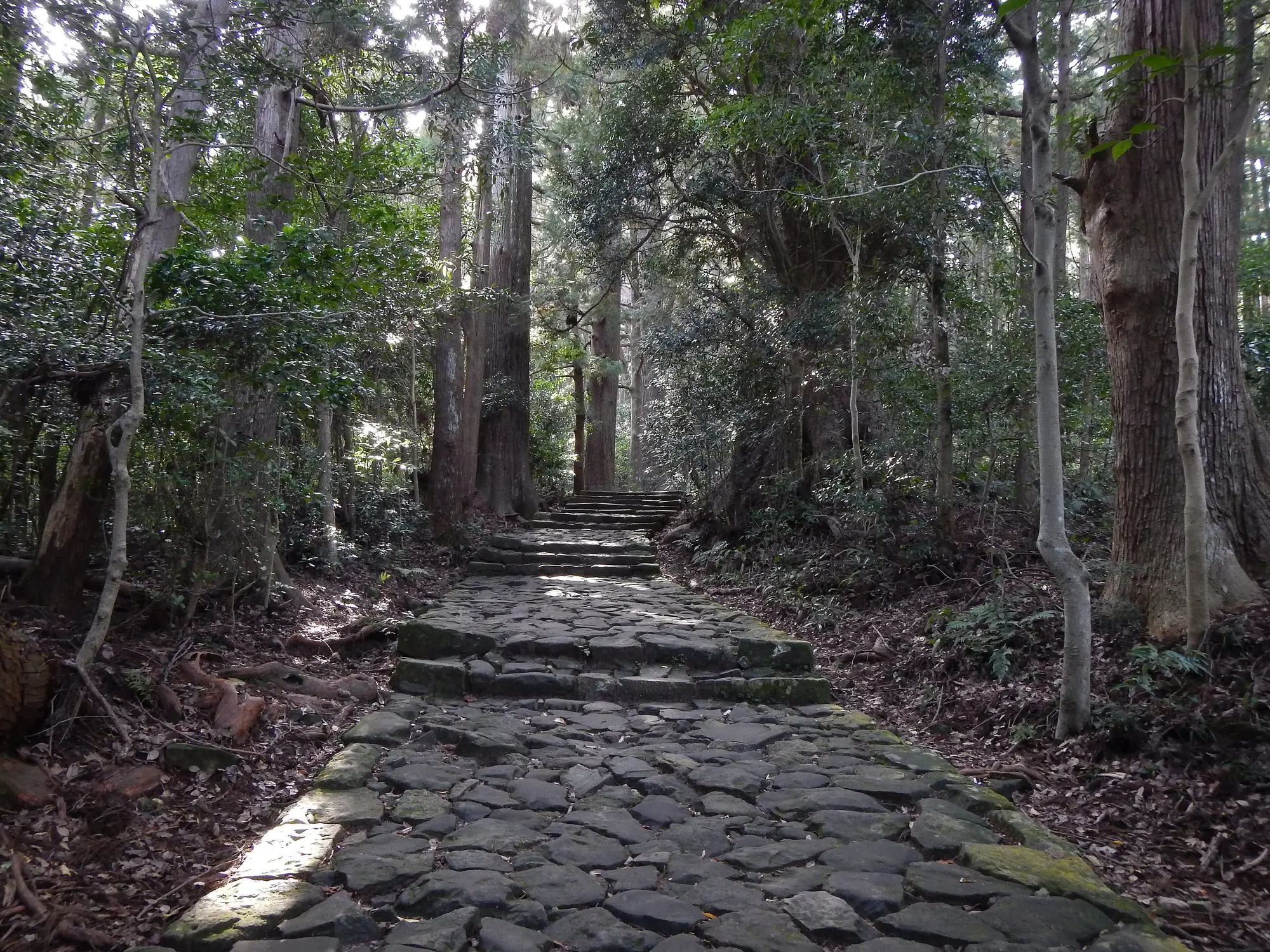
The weather matters as much as the events. Spring (March to May) and autumn (late September to November) are the popular seasons on the Kumano Kodo, because the rest of the year has a catch. The Kii Peninsula is one of the wettest areas in Japan. The rainy season usually runs from about early June into July, July and August are hot and humid, and typhoons are most likely from August to October, sometimes closing trails and railway lines. From late December to the end of February, the Tanabe City Kumano Tourism Bureau warns of freezing temperatures and occasional snow on the trail.
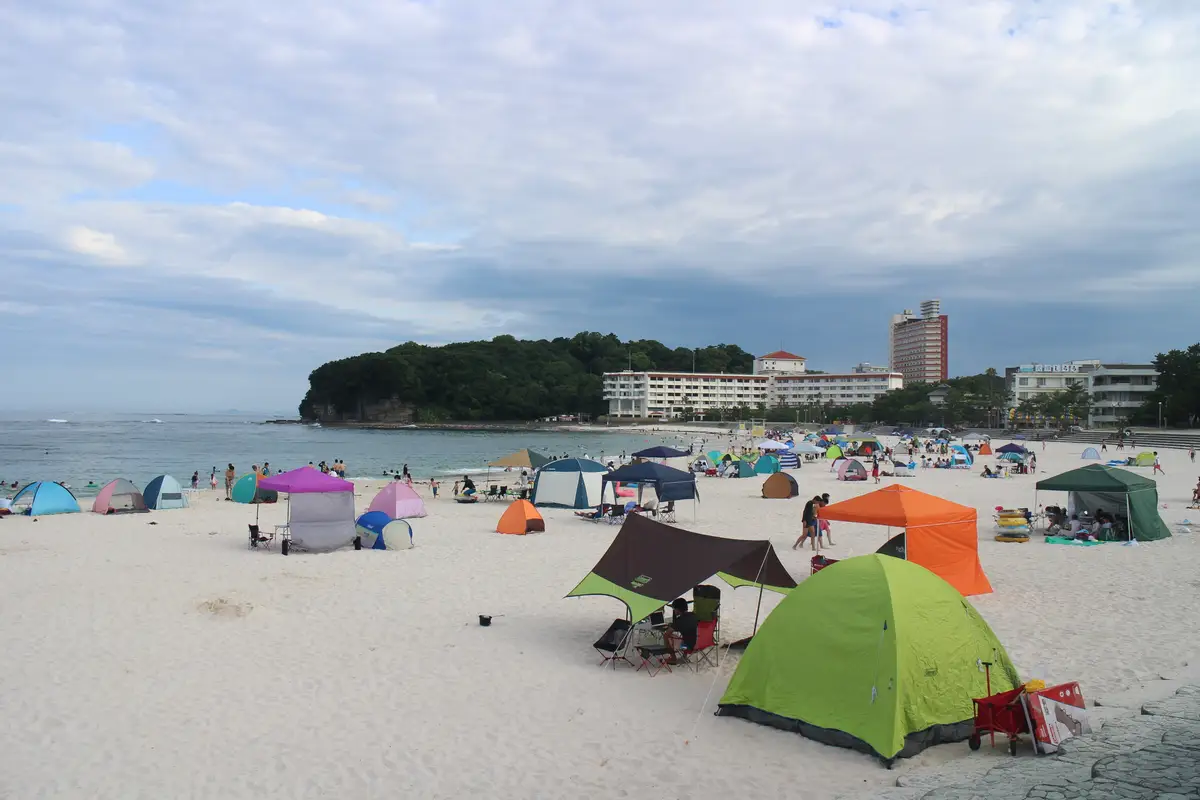
Elevation changes the calendar too. Koyasan sits at about 800–900 metres, so it runs noticeably cooler than the coast all year: its autumn leaves peak about three weeks before Kyoto's, and winters there are properly cold. Shirahama and the Kumano coast, by contrast, stay mild enough in winter that Shirarahama beach opens for swimming on 3 May, billed as the earliest beach opening on Honshu.
The calendar below groups what is actually worth timing a trip around, month by month, with links to the full detail on each page. Check the linked page for the current year before you book.
Month by month
Fixed dates (festivals) are reliable; bloom and foliage dates shift year to year. Check the linked page for current-year details before booking.
| When | What | Where |
|---|---|---|
| Late Jan – early Mar | Plum blossoms (peak usually mid-Feb); Minabe Bairin open 31 Jan – 1 Mar in 2026 | Minabe |
| 6 Feb | Oto Matsuri: about 2,000 torch-bearers run down the 538 stone steps of Kamikura Shrine | Shingu (Kumano Hayatama) |
| 3 Mar | Hina-nagashi: dolls floated out to sea from noon | Awashima Shrine, Kada |
| About 15 – 25 Mar | Sun sets inside the Engetsuto arch (spring equinox) | Engetsuto, Shirahama |
| Late Mar – early Apr | Cherry blossoms: Kimiidera's benchmark tree opens first, usually late March; Wakayama Castle's Sakura Festival runs 20 Mar to the 2nd Sunday of April | Kimiidera, Wakayama Castle, Negoroji |
| Late Mar – early Apr | Peach blossoms across the Togenkyo orchards | Kinokawa (Arakawa) |
| 13 – 15 Apr | Reitaisai grand festival, ending with a procession to Oyunohara | Kumano Hongu Taisha |
| Late Apr – early May | Golden Week: mild weather, heavy domestic crowds | All areas — book ahead |
| 3 May – mid-Sep | Shirarahama beach open for swimming (3 May – 13 Sep in 2026) | Shirahama |
| Late May – Jun | Ume harvest; farm picking experiences | Minabe |
| Early Jun – Jul | Rainy season across the peninsula | Pack rain gear everywhere |
| Around 15 Jun | Aoba Matsuri, Kobo Daishi's birthday: service on 15 June, flower-float procession on or near it | Koyasan |
| Mid-Jun – Aug | Peach season (Hikawa Hakuho to Kawanakajima Hakuto) | Kinokawa and Katsuragi |
| 14 Jul | Nachi Fire Festival (Ogi Matsuri), every year whatever the weekday | Nachi |
| Jul – Aug | Summer fireworks over Shirarahama, including the big display on 10 August | Shirahama |
| 13 Aug | Candle festival (Mando Kuyoe): about 100,000 candles along the Okunoin path | Okunoin, Koyasan |
| Mid-Aug | Obon holiday: peak crowds and prices | All areas — book ahead |
| Aug – Oct | Typhoon season; possible trail and rail closures | Check forecasts, keep plans flexible |
| About 18 – 28 Sep | Sun sets inside the Engetsuto arch (autumn equinox) | Engetsuto, Shirahama |
| Sunday before Sports Day (Oct) | Warai Matsuri, the Laughing Festival (11 Oct in 2026) | Hidakagawa |
| 15 – 16 Oct | Reitaisai and Mifune Matsuri boat race on the Kumano River | Kumano Hayatama Taisha |
| Late Oct – early Nov | Autumn leaves peak | Koyasan |
| Late Oct – early Dec | Mikan picking | Arida |
| Late Nov | Maples in the Nishinomaru Garden | Wakayama Castle |
| Late Dec – Feb | Cold; possible frost and snow on Koyasan and the Kumano Kodo | Quietest season |
| Year-round (not Sat) | Tuna auction viewing from 7:00; no auction on most Tuesdays | Katsuura |
Before you book
Late April to early May (Golden Week) and mid-August (Obon) are Japan's two biggest domestic travel periods. Hotels and trains sell out fastest in these windows whichever area you visit, and prices peak. The Kuroshio limited express charges ¥200–400 more in peak periods, as the Getting Around guide explains.
Spring is one of the two popular seasons for walking the Kumano Kodo, and March and April pair well with the blossoms at Kimiidera and Negoroji. If you walk the Nakahechi in mid-April, you can finish at Kumano Hongu Taisha during its grand festival.
Summer is hot, humid and wet, but it is when Shirahama's beach is at its best and the Nachi Fire Festival happens. Start hikes early and carry water. In August, Koyasan is a cool escape from the coast, and the 13 August candle festival turns the Okunoin cemetery path into a line of lights, though it coincides with the Obon crowds.
Autumn gives the most settled walking weather once typhoon season fades. Koyasan's leaves peak from late October into early November, roughly three weeks ahead of Kyoto and Osaka, so you can see Koyasan in colour and then Kyoto's maples in the same trip. Arida's mikan picking opens at the same time.
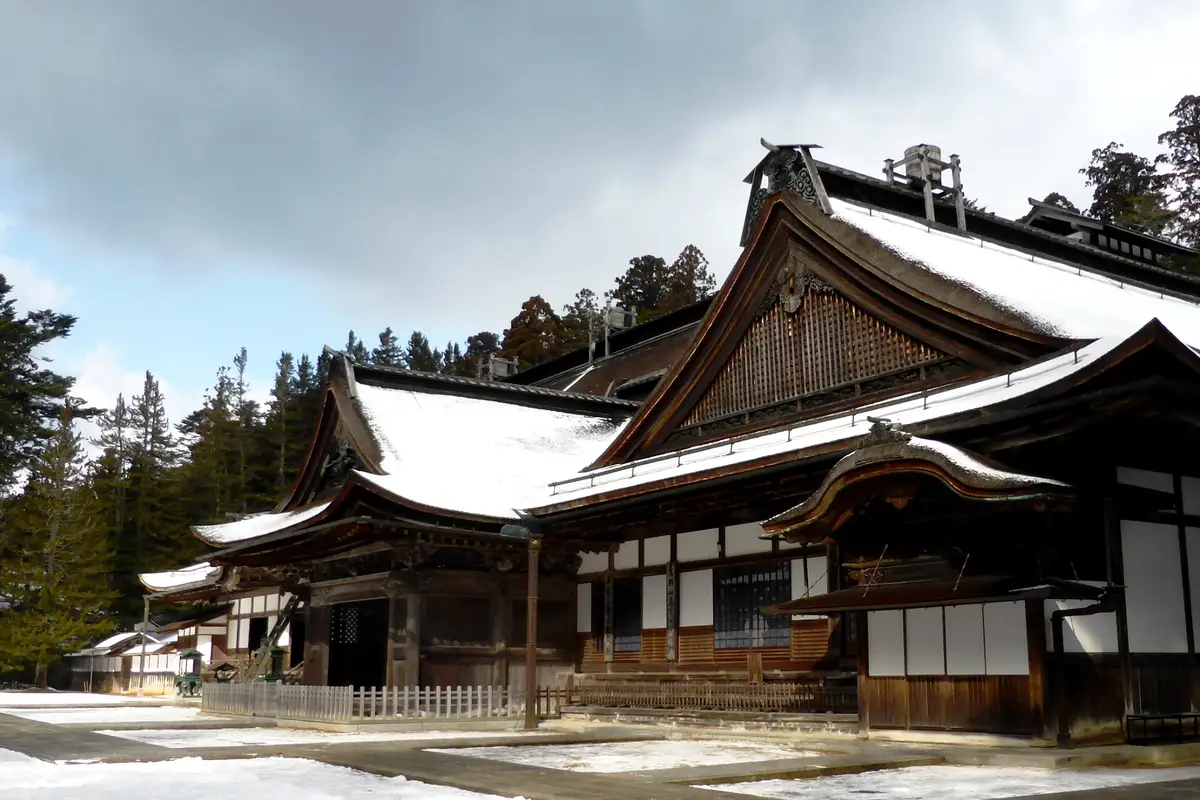
Winter is the quietest season. Koyasan is cold, with frost and some snow, and the Kumano Kodo can freeze from late December to February, but temple lodgings are usually easier to book. Days are short, so start hikes early. The coast stays mild, and the plum blossoms at Minabe arrive from late January.
Some sights are good any month. Adventure World in Shirahama is open most of the year, though its closed days change monthly and its giant pandas returned to China in June 2025. The tuna auction at Katsuura runs most mornings apart from Saturdays and most Tuesdays.
Planning a multi-season trip
If you are combining a fixed-date event with general sightseeing elsewhere on the peninsula, build the itinerary around the fixed date first, then fit the flexible parts of the trip before or after it. Koyasan and the Kumano coast are on separate rail networks, so leave a full travel day to move between them.
For festival days, book accommodation as early as you can: the Nachi Fire Festival, the Koyasan candle festival and anything in Golden Week or Obon fill the nearby towns months ahead. In typhoon season, keep a spare day in the plan, because trains on the Kinokuni Line and buses in the Kumano mountains can be suspended in heavy rain.
For how the two rail networks connect, see the Getting Around guide; for the background on each area, see About Wakayama.
Sources
- Tanabe City Kumano Tourism Bureau — Kumano Kodo tips and safety (seasons and weather)
- Minabe Bairin — Ume no Sato Kanbai Association
- Kimiidera — cherry blossom information
- Kinokawa City — Togenkyo peach blossoms
- Nanki-Shirahama Tourism Association — Engetsuto
- More Koyasan — Koyasan Candle Festival 2026
- Wakayama Tourism — Niu Matsuri (Warai Matsuri)
- Nachikatsuura Tourism — tuna auction tour (operating days)
- Getting Around the Kii Peninsula
- About Wakayama
Last updated: