Wakayama · Japan
Kimiidera
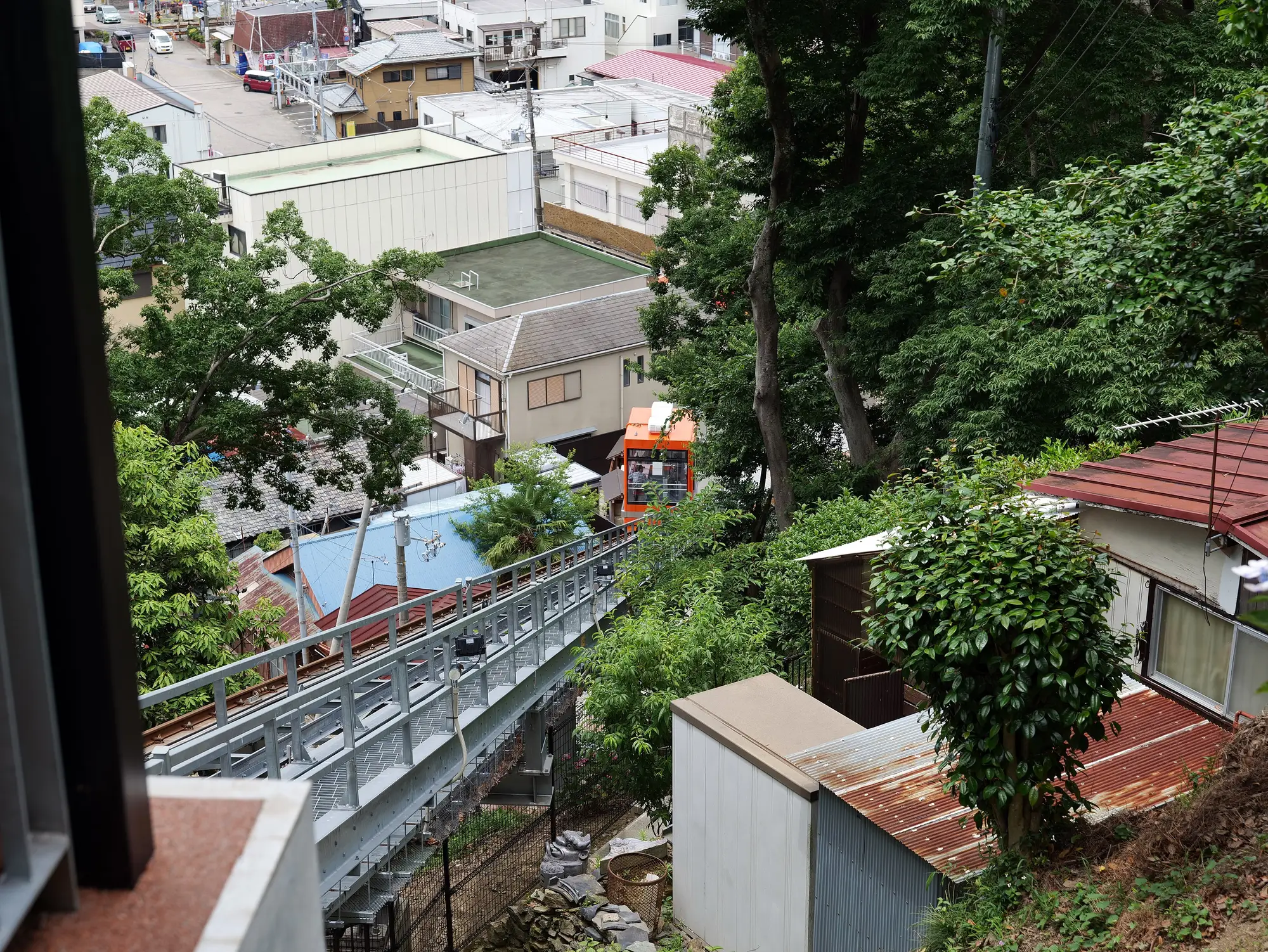
A working pilgrimage temple on a hillside above Wakanoura Bay, reached by 231 stone steps — and, for a couple of weeks each spring, one of the first places in the Kansai region where the cherry blossoms open.
A pilgrimage stop, not a museum piece
Kimiidera is a working temple on an active pilgrimage route. Pilgrims on the 33-temple Saigoku circuit arrive here second, after Seigantoji at Nachi, and the temple's pilgrim hymn, attributed to the retired Emperor Kazan, describes reaching Kimiidera after the long road from Nachi and feeling the capital drawing near. Kimiidera belonged to a branch of Shingon Buddhism until 1951; it is now the head temple of its own small sect, Guze Kannon-shu.
The name Kimiidera means "the temple of the three wells in Kii." Three springs, Shojosui, Yoryusui and Kisshosui, still flow in the grounds, and in 1985 the Environment Agency chose them as one of Japan's 100 Exquisite Waters. Shojosui is the small waterfall on the right just after the first flight of steps above the gate. Beside it stands a stone carved with a haiku by Matsuo Basho, who came for the blossoms and found them already falling.
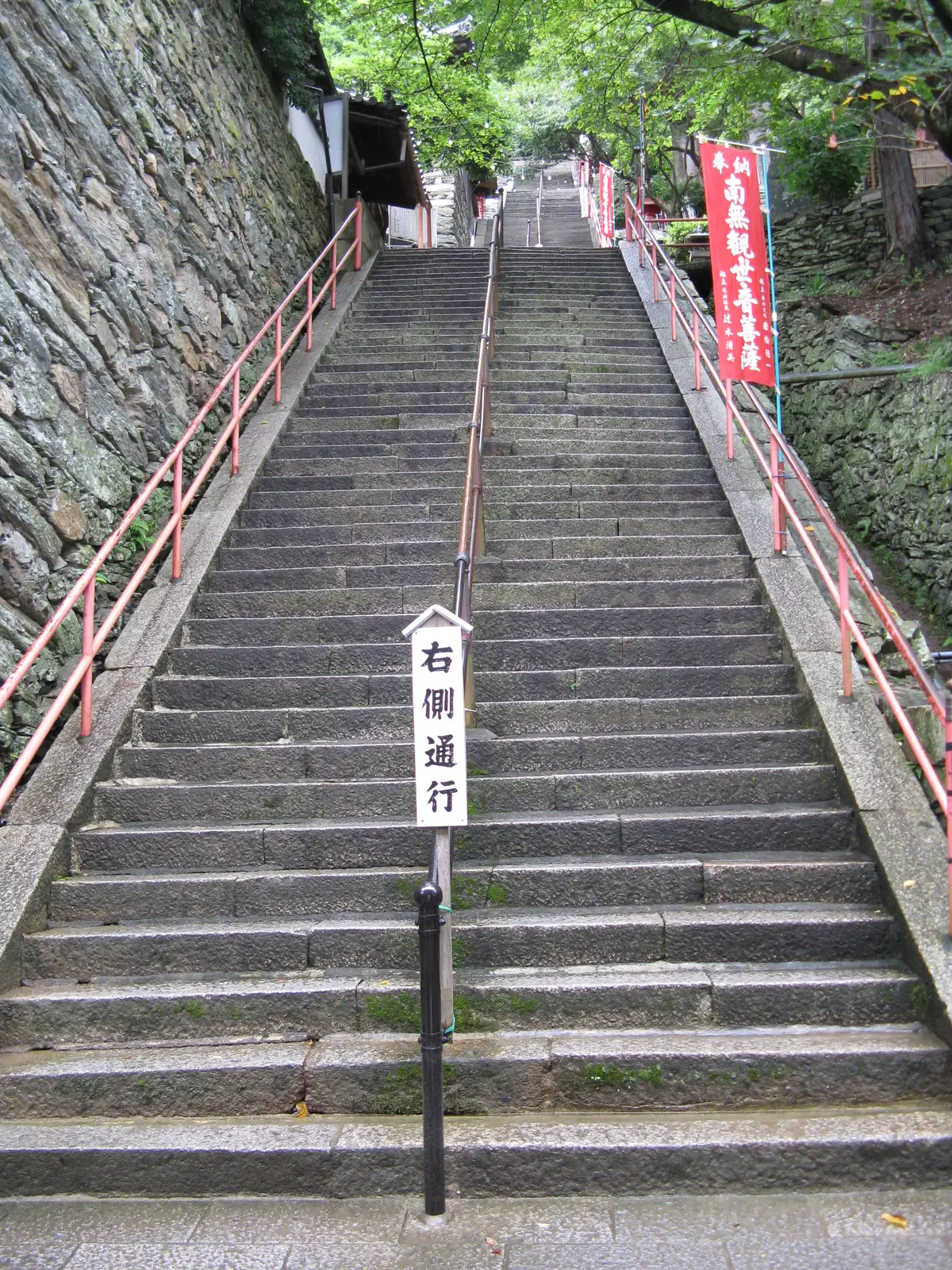
The 231 steps are steep. The stairway is called Kechienzaka, "the slope of fateful meetings," after a legend that the young Kinokuniya Bunzaemon, later a famous Edo merchant, met his future wife here when she fixed his broken sandal strap as he climbed with his mother on his back. Allow 10–15 minutes at an easy pace, and take the handrail on the way down.
Several of Kimiidera's buildings are older than they look. The two-storey tower gate at the bottom of the stairs dates from 1509, the bell tower from 1588 and the tahoto pagoda from 1449, the oldest building on the grounds; all three are national Important Cultural Properties. The main hall (1759) is a prefectural cultural property. The temple's most important statues, including the principal image of the eleven-headed Kannon, are hidden images shown only once every 50 years.
The newest landmark is the Buddha Hall (Butsuden), finished in 2002. Kimiidera's Buddha Hall holds a gilded, lacquered statue of the thousand-armed, eleven-headed Kannon unveiled in 2008, about 12 metres tall, which the temple and the Saigoku pilgrimage association describe as Japan's largest wooden standing Buddhist statue. The third-floor gallery (8:30–16:30), level with the statue's face and looking out over the bay, has a small separate charge.
Where to stay nearby
Kimiidera has no lodging of its own. Everyone stays in Wakayama City, a short train ride away, and visits as a day trip.
| Hotel | From (per night) | What makes it different | Book |
|---|---|---|---|
| Hotel Granvia Wakayama | $55 | Directly connected to JR Wakayama Station — the most convenient base for a multi-stop day covering Kimiidera, the castle, and Negoroji. | Booking.com → |
| Daiwa Roynet Hotel Wakayama | $53 | A reliable mid-range business hotel a short walk from the station. | Booking.com → |
| Candeo Hotels Nankai Wakayama | $77 | Higher-end option near Wakayamashi Station, on the Nankai line side of the city. | Booking.com → |
Before you go
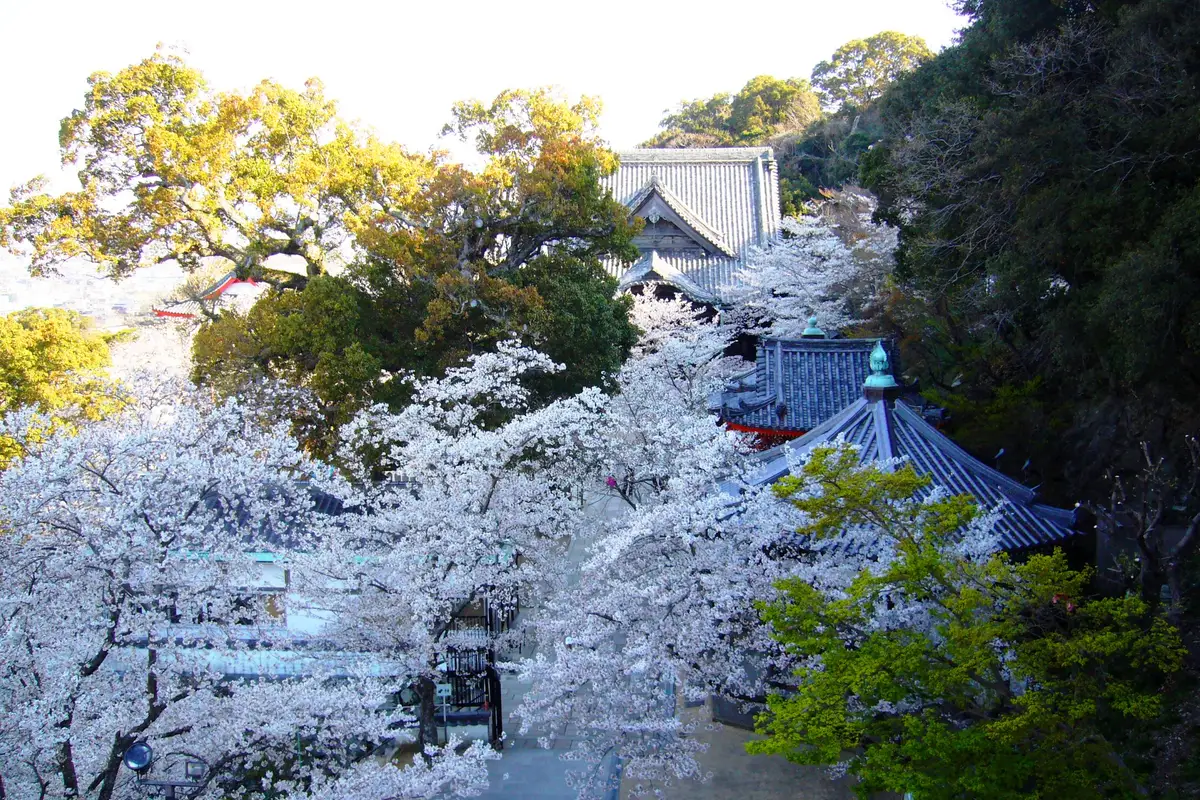
Cherry season: the benchmark tree usually opens in late March, and the grounds are usually at their best from late March into early April, ahead of most of Kansai. The temple's Sakura Festival runs from 20 March to 20 April, and the grounds are lit up in the evenings during the season. Weekends at peak are crowded; early morning is quieter, and the sun rising over Nagusa-yama behind the temple lights up the bay.
The view is the other reason to come. From the top, Kimiidera looks straight across Wakanoura, part of a Japan Heritage site the Agency for Cultural Affairs recognised in 2017 as a "treasure house of superb views," and on a clear day as far as Awaji Island and Shikoku. The Tenku Cafe at the top of the main stairway serves amazake and coffee made with Yoryusui spring water, usually on Saturdays, Sundays, Mondays and holidays, 10:00–16:00.
Festivals worth planning around: 18 January (Hatsu-Kannon, with more than ten monks reading about 600 volumes of the Great Wisdom Sutra from 13:00), 3 February (Setsubun, with bean-throwing from 16:00), and 9 August (Sennichi-mairi, when a single visit is said to bring the merit of 1,000 days of worship). On New Year's Day to 3 January and on 9 August, different fees apply for the temple and cable car.
There is no lodging at Kimiidera. Most visitors stay in Wakayama City and combine the temple with Wakayama Castle, or with the tuna show at Marina City, a short bus or taxi ride south. Negoroji is on the other side of the city and works better as a separate half day.
By car, the lot about 200m to the left of the main gate costs ¥300; the upper lot below the main hall costs ¥700, and drivers who park there also pay the ¥400 temple fee. Both rates change during cherry season and at New Year.
If you would rather join a guided visit
A dedicated Kimiidera tour exists if you'd rather have a guide explain the temple's history and Saigoku pilgrimage context on the spot.
| Tour | Length | Best for | Book |
|---|---|---|---|
| Wakayama: Discover the Sacred Beauty of Kimiidera | Half day | First-time visitors who want the history and pilgrimage context explained in English | GetYourGuide → |
Getting to Kimiidera
From JR Wakayama Station, take a southbound local train on the JR Kisei Line (Kinokuni Line); Kimiidera Station is the second stop. The temple gate is about a 10-minute walk from the station.
From Nankai Wakayamashi Station, take a Wakayama Bus bound for Kainan, get off at the Kimiidera stop and walk about 10 minutes.
From Kansai Airport, go to JR Wakayama Station first (about 40 minutes by airport limousine bus), then change to the local train. From Koyasan, allow about 2 hours 20 minutes via Hashimoto and the JR Wakayama Line to Wakayama Station.
By car, the temple is about 4km from the Wakayama IC of the Hanwa Expressway along the Kokutai-doro road.