Wakayama · Japan
Kumano Kodo
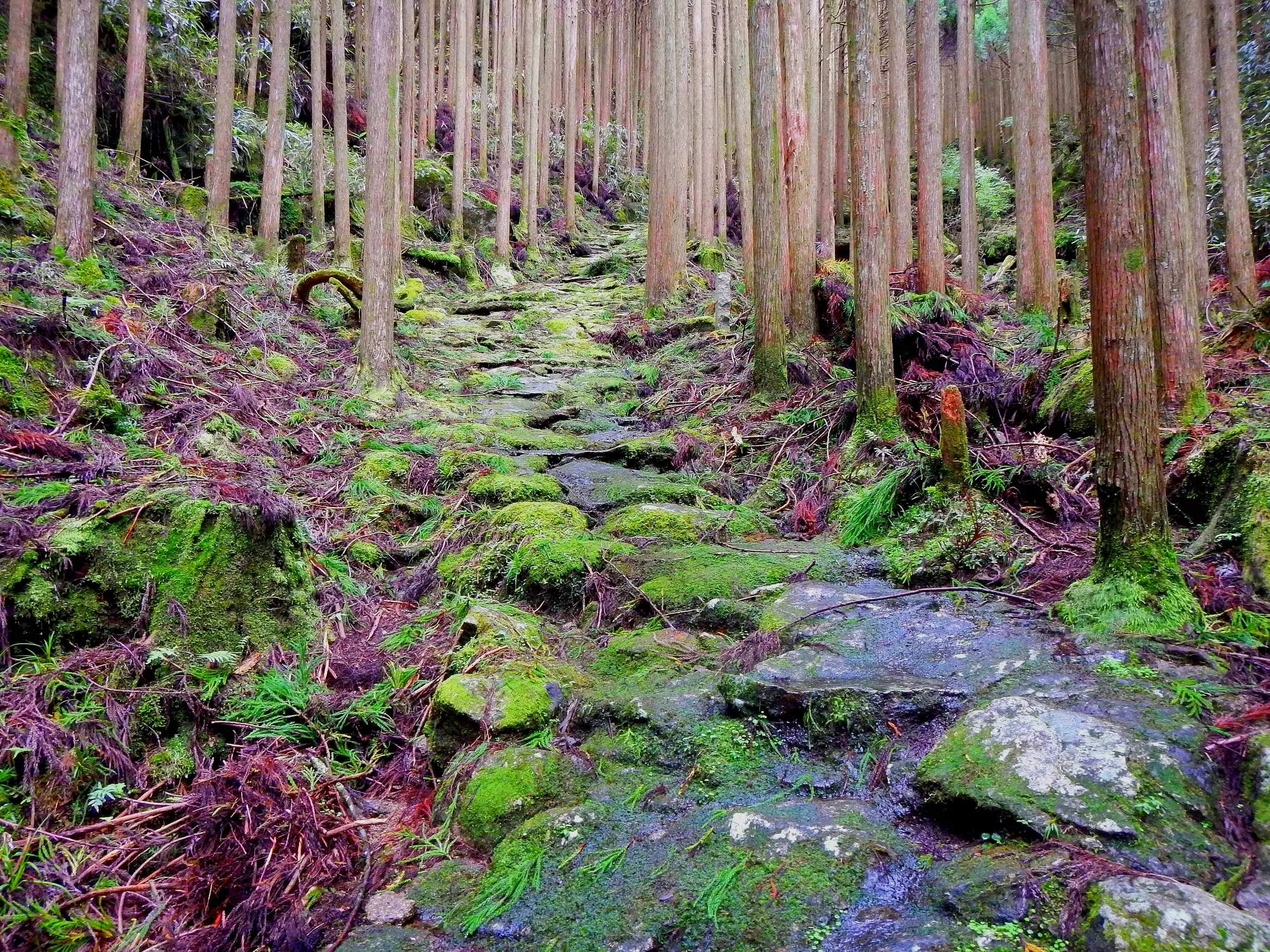
Pilgrims have walked these cedar-lined stone paths to the Kumano grand shrines for over a thousand years. Here is what the Nakahechi route actually involves — distances, climbs, lodging, and how to book it.
Why this route, and not the others
The Kumano Kodo is a network of old pilgrimage routes converging on the three Kumano grand shrines — Hongu, Hayatama and Nachi — from different directions. The four main routes are the Nakahechi from the west coast, the Kohechi over the mountains from Koyasan, the Ohechi along the southern coast, and the Iseji from Ise in the east. The Nakahechi was the route retired emperors and aristocrats travelled from Kyoto from the 10th century onward, and it is the one with the most walker infrastructure today: English signs and maps, inns at sensible intervals, a daily luggage shuttle, and a booking office that works in English.
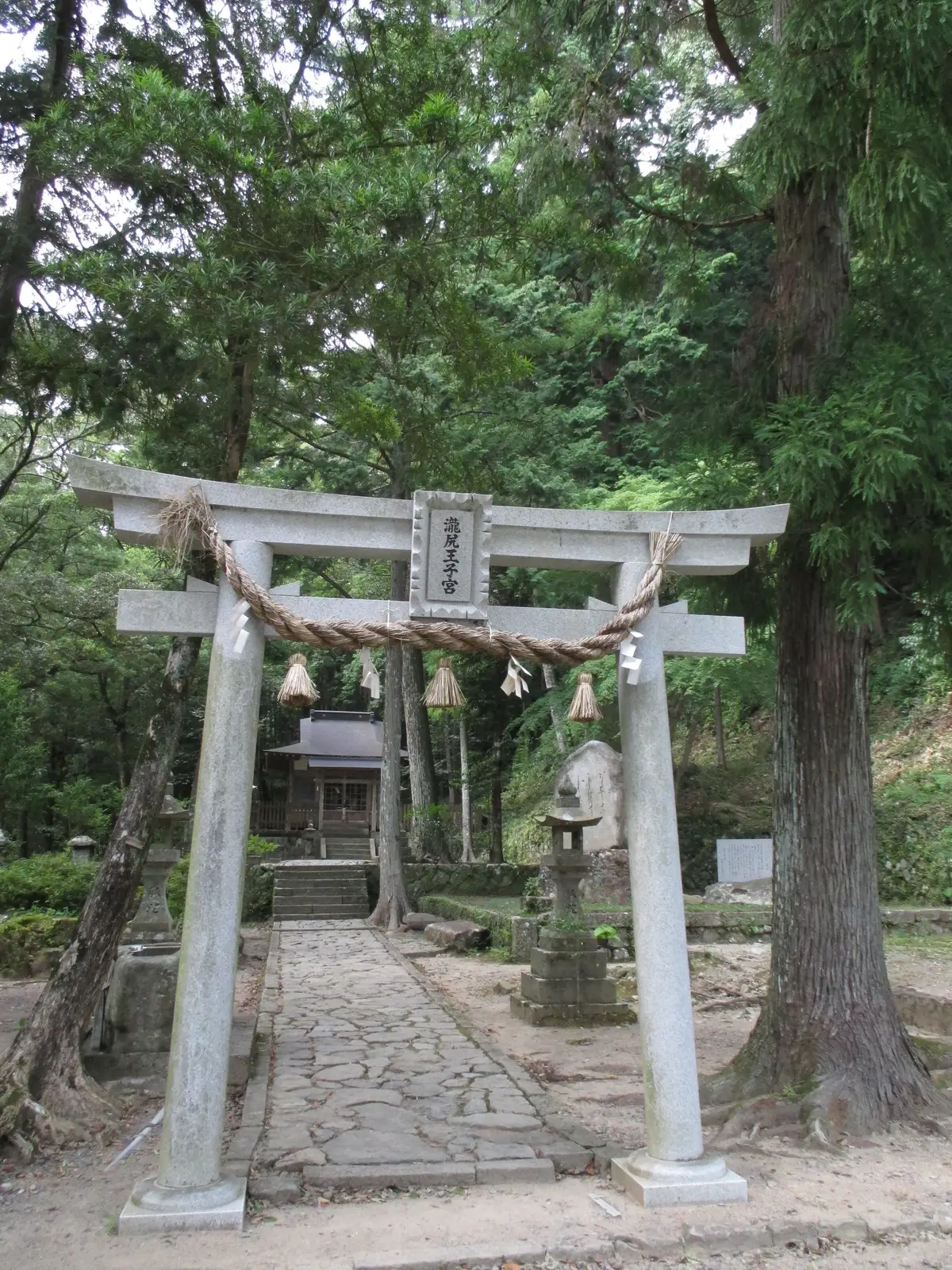
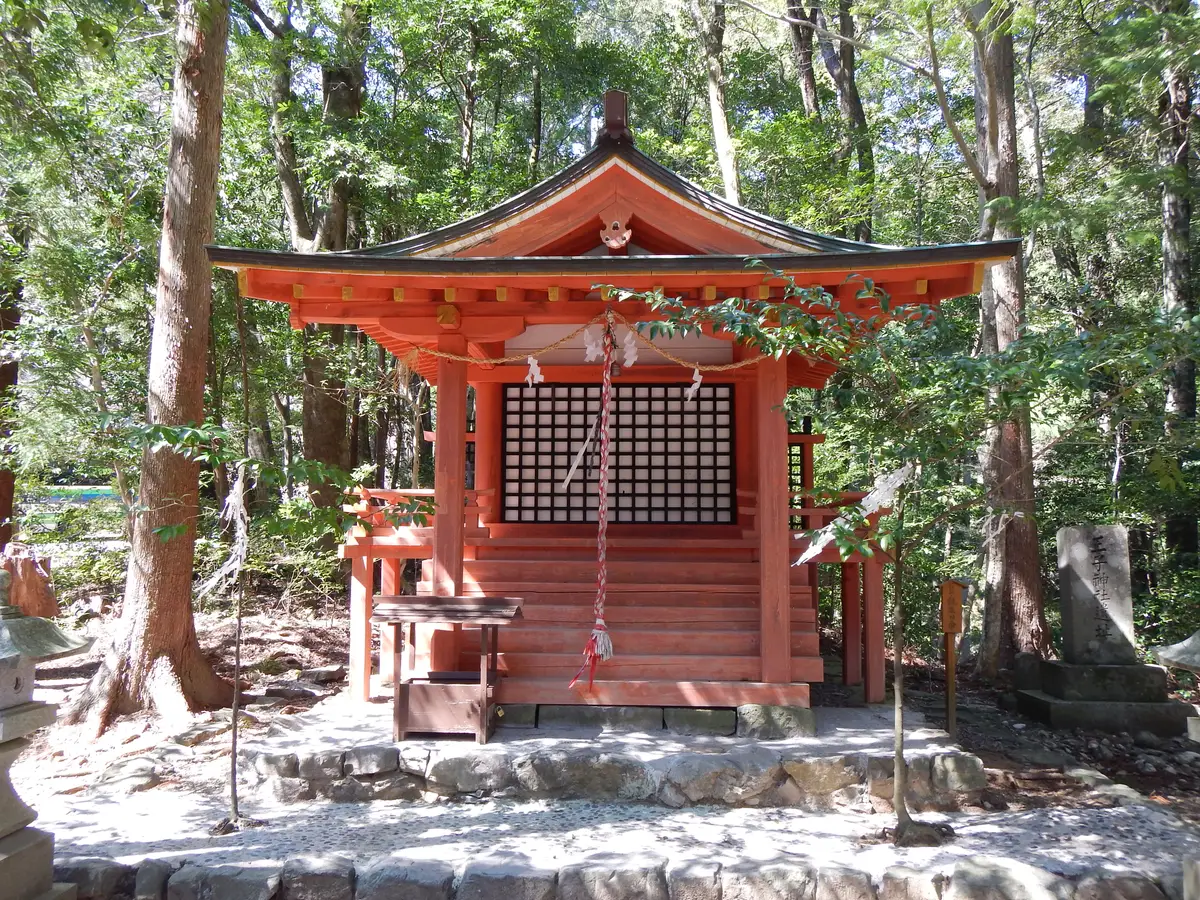
Along the trail stand oji, small subsidiary shrines where medieval pilgrims stopped to pray. Takijiri-oji at the start was traditionally seen as the entrance to the sacred Kumano mountains; Hosshinmon-oji, near the end, marks the outermost gate of Kumano Hongu Taisha's sacred precinct. Most oji have a stamp box, and collecting the stamps is how walkers record their pilgrimage.
The Nakahechi is not a wilderness trek. Most days end in a village with a hot bath, a cooked dinner and a futon. What makes it demanding is the terrain: steep, uneven stone steps and roots through cedar forest, with about 1,260 metres of total climbing on the first half alone. Kumano also gets a lot of rain, and the Tourism Bureau advises walkers to be prepared for it in any season.
The route, section by section
These are the Tanabe City Kumano Tourism Bureau's figures for each section, west to east. The steepest climbing comes first, straight out of Takijiri-oji; the longest and emptiest day is Tsugizakura-oji to Hosshinmon-oji.
| Section | Distance | Walking time | Notes |
|---|---|---|---|
| Takijiri-oji → Takahara | About 4 km | 2–3 hours | Steep climb of about 430m from the trailhead, past the Tainai-kuguri boulder cave, to a hilltop village with mountain views. |
| Takahara → Chikatsuyu-oji | About 9.3 km | About 3.5–4.5 hours | Forest ridges to Gyuba-doji-guchi, then a short descent into Chikatsuyu, the main overnight village. |
| Chikatsuyu-oji → Tsugizakura-oji | About 4 km | About 1 hr 15 min | Gentle climb through Chikatsuyu village to the giant cedars of Tsugizakura-oji and the Nonaka-no-Shimizu spring. Inns in Nonaka. |
| Tsugizakura-oji → Hosshinmon-oji | About 13.5 km | 6–8 hours | A string of passes and the ruins of old teahouses and settlements, with very few services on the way. |
| Hosshinmon-oji → Kumano Hongu Taisha | About 7.5 km | 2–3 hours | Mountain villages, tea fields and the Fushiogami viewpoint, then down through forest to the shrine. The most popular half-day walk. |
Before you book
We say this plainly because a guide that only points you to bookings it earns a commission from is not a guide. Kii Travel earns nothing from the KUMANO TRAVEL link above, and it is still the correct one.
Book KUMANO TRAVEL as early as you can, ideally as soon as you have fixed dates. The daily luggage shuttle between inns is booked through the same service, only between inns booked through KUMANO TRAVEL, and has to be reserved at least 20 days in advance; there are no on-the-day changes. With it, most walkers carry only a day pack. Packed lunches for the trail are also ordered through KUMANO TRAVEL, which matters on the Tsugizakura-oji to Hosshinmon-oji day, when there is almost nowhere to buy food.
Buses are the other pinch point. In peak season the Tourism Bureau warns that the 8:30-ish departures from Kii-Tanabe toward Hongu are extremely crowded and can leave people behind; it suggests the early buses (around 6:16 and 6:38) instead. Extra buses are not guaranteed because of driver shortages.
Not ready for a multi-day walk? Hosshinmon-oji to Kumano Hongu Taisha, about 7.5km and two to three hours, covers the best of the final stretch, including the view from Fushiogami-oji, where pilgrims first saw the shrine in the valley below. A bus runs from Hongu up to Hosshinmon-oji, so you can walk back down to the shrine.
If you have walked the Camino de Santiago, walking Takijiri-oji to Hongu (or one of four other set combinations) qualifies you as a Dual Pilgrim. You register at the Kumano Hongu Heritage Center or the TANABE Tourist Information Center; the Tourism Bureau counted 17,683 registered Dual Pilgrims from 85 countries as of August 31, 2026.
Most walkers continue from Hongu by bus rather than turning back — a common loop adds Kumano Hayatama Taisha in Shingu and Nachi Falls before returning to Osaka. Stronger walkers can go on foot from Hongu to Nachi over the Kogumotori-goe and Ogumotori-goe, two more days on steep mountain trail. For seasons, see the best time to visit Wakayama.
If you would rather book a tour
Guided and self-guided packages handle the logistics — lodging, luggage transfer, route notes — for a fee. This is where a Kumano Kodo trip actually gets booked with a commission-earning link, unlike the trailside inns above.
| Option | Length | Best for | Book |
|---|---|---|---|
| GetYourGuide day tour from Osaka | 1 day (about 12–13 hours) | A taste of the trail without committing to a multi-day walk. Expect a long coach day with only a short section of walking. | GetYourGuide → |
| Self-guided package (e.g. Oku Japan) | 5 days / 4 nights | Walking independently with inns, breakfasts and dinners, luggage transfer and route notes arranged in advance | Oku Japan → |
| Walk Japan fully guided tour | 9 days / 8 nights | A small-group guided trip (up to 12) from Osaka via Koyasan and the Kumano Kodo to Ise, with a leader throughout | Walk Japan → |
Getting to the trailhead from Osaka
Take the JR Kuroshio limited express from Shin-Osaka or Tennoji to Kii-Tanabe, about 2 hours. From Kii-Tanabe Station, a local bus to the Takijiri stop, the start of the Nakahechi, takes about 40 minutes. Door to door, allow around 3 hours from central Osaka.
Most walkers stay in Kii-Tanabe or Shirahama the night before, because buses to Takijiri are infrequent and the first stage takes most of a day. The Kumano Kodo Kan Pilgrimage Center stands opposite Takijiri-oji and is worth a stop before you start.
At the far end, buses from Hongu Taisha-mae run to Shingu Station in about 1 hour and back to Kii-Tanabe in about 2 hours. Check the Tourism Bureau's timetables before you go, as some routes run only a few times a day.
If you are leaving a big suitcase behind, the TANABE Tourist Information Center by Kii-Tanabe Station stores bags for 500 yen per bag per day, for up to a month.
Primary sources
- Tanabe City Kumano Tourism Bureau — Nakahechi route sections
- Tanabe City Kumano Tourism Bureau — suggested walks
- Tanabe City Kumano Tourism Bureau — luggage shuttle & storage
- Tanabe City Kumano Tourism Bureau — riding the bus during peak season
- Tanabe City Kumano Tourism Bureau — Dual Pilgrim
- KUMANO TRAVEL — official accommodation booking
- UNESCO — Sacred Sites and Pilgrimage Routes in the Kii Mountain Range
Last updated: