Wakayama · Japan
Okunoin
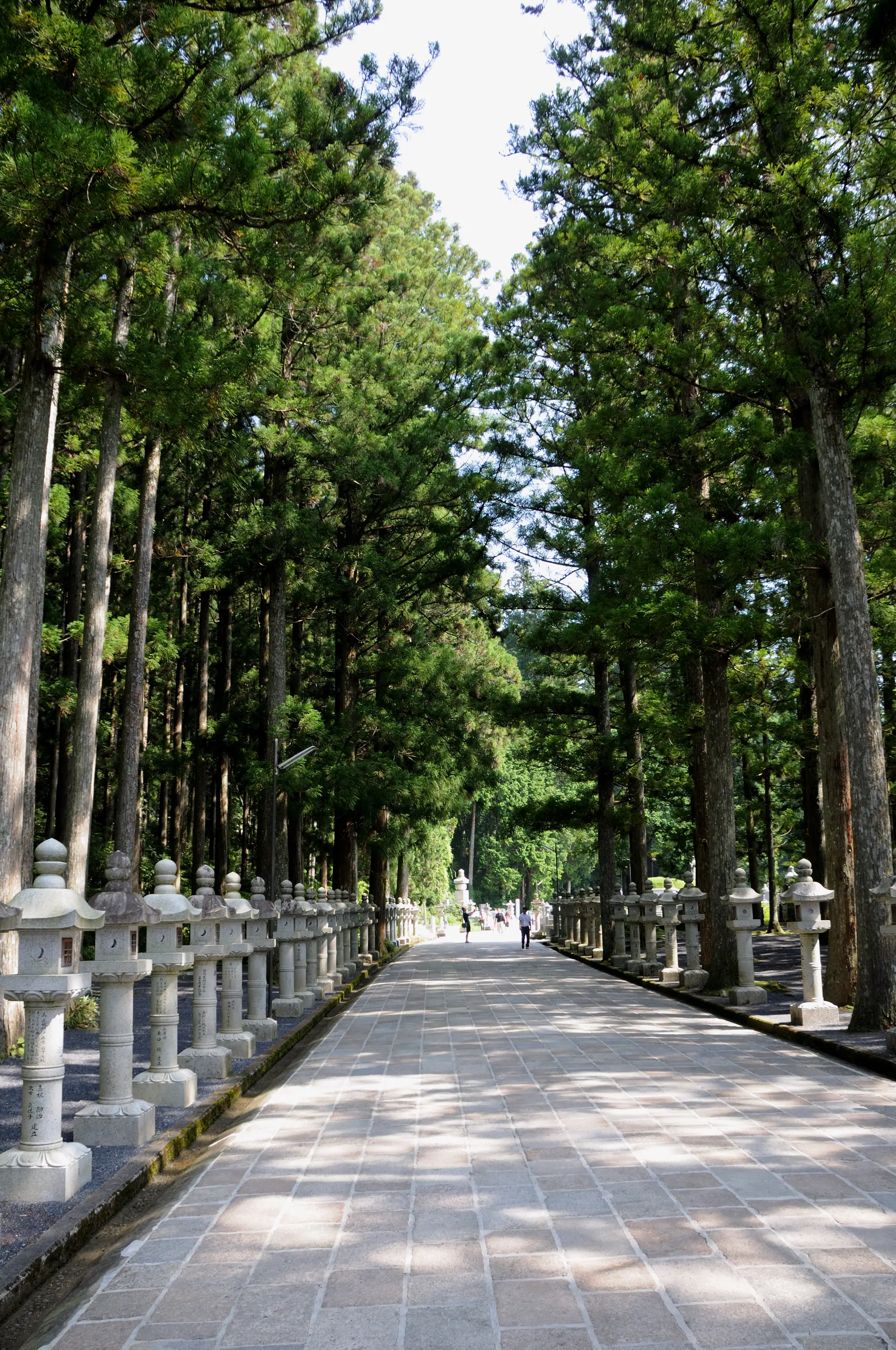
Two kilometres of path through old-growth cedar, lined with more than 200,000 graves — samurai lords, ordinary pilgrims, and a few companies — leading to the mausoleum where Kobo Daishi is believed to still be meditating.
Why everyone wants to be buried here
Shingon tradition holds that Kobo Daishi did not die in 835 but entered eternal meditation in his mausoleum at the end of the Okunoin path, where he waits for the arrival of the future Buddha, Maitreya. To be buried near him has been considered a way of being close at hand when that day comes — which is why, over more than a thousand years, emperors, feudal lords, monks, merchants and ordinary families have all sought a place here.
The result is less like a Western cemetery than a forest that happens to be full of graves. Moss-covered stone pagodas and memorials, some many centuries old, stand among cedars that are hundreds of years old themselves. The grave markers of rival warlords stand a short walk apart: Takeda Shingen and Uesugi Kenshin, who fought each other for years, have memorials near each other, and there is a memorial to Oda Nobunaga — a cenotaph rather than his actual remains.
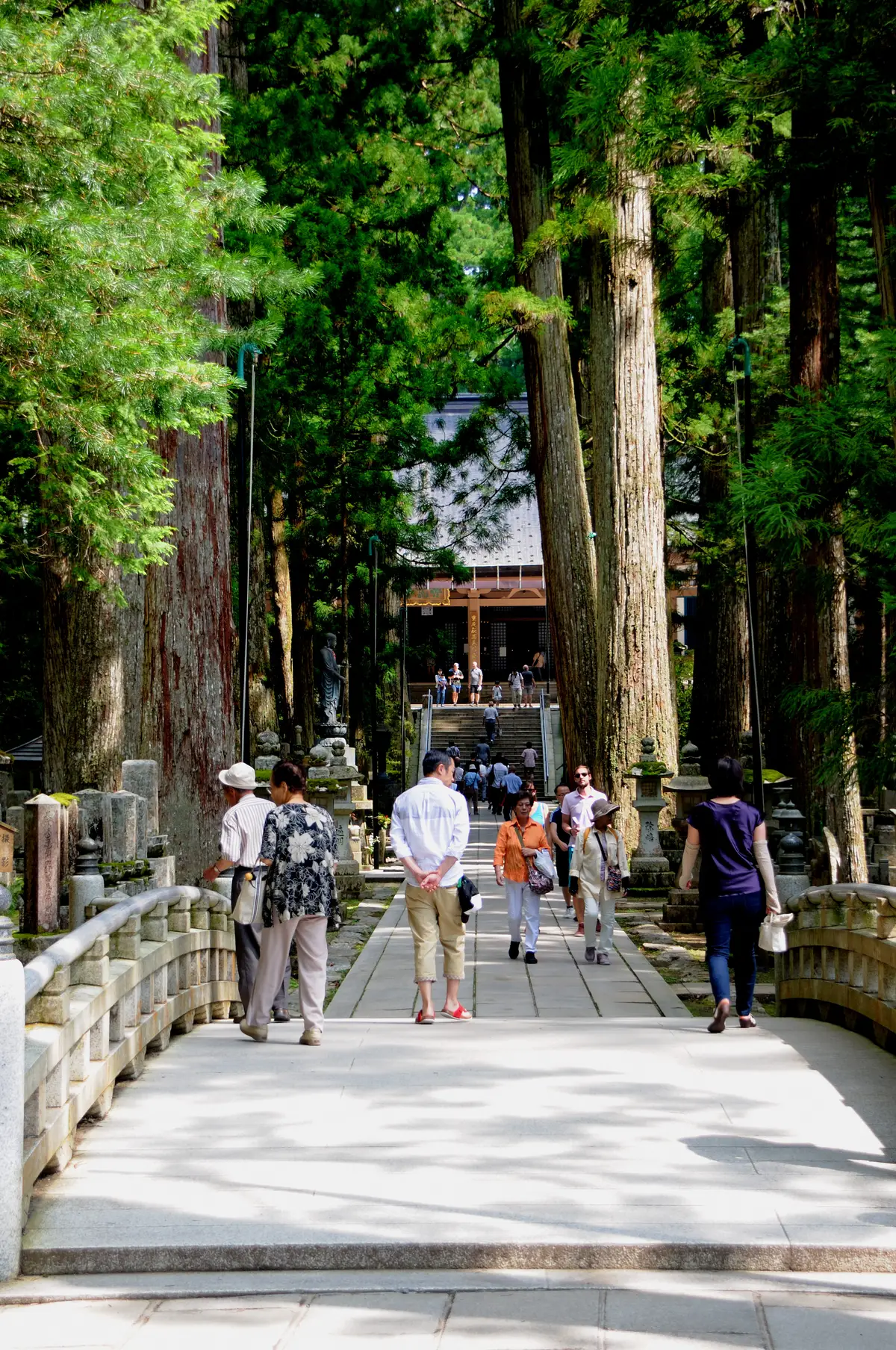
Every day at 6:00 and 10:30, monks prepare a meal for Kobo Daishi at the Gokusho kitchen, offer it for a symbolic tasting at the Ajimi Jizo statue, and carry it in procession across Gobyo-bashi bridge to the mausoleum. The ceremony, called Shojingu, has continued for over 1,200 years, and visitors can watch the procession pass.
Which way to walk in
There are two ways to reach the mausoleum. Most visitors take the short route from the Okunoin-mae bus stop; the long route from Ichi-no-hashi passes the oldest and most atmospheric graves.
| Route | Distance to mausoleum | Walking time | What you see |
|---|---|---|---|
| From Ichi-no-hashi bridge (traditional) | About 2km | 30–40 min at a sightseeing pace | The oldest graves, samurai memorials, the deepest cedar forest |
| From Okunoin-mae bus stop | Under 1km | About 15–20 min | The newer section, including the corporate memorials; joins the main path near the end |
Before you go
At the end of the path, Torodo — the Hall of Lanterns — holds more than 10,000 lanterns donated by worshippers. Two of them are said to have burned without going out for around 900 years. The hall is open 6:00–17:00 daily and admission is free.
Photography, eating and drinking are not allowed beyond Gobyo-bashi bridge, which marks the entrance to the innermost sacred area around Torodo and the mausoleum. Bow at the bridge, as pilgrims do, and put your camera away.
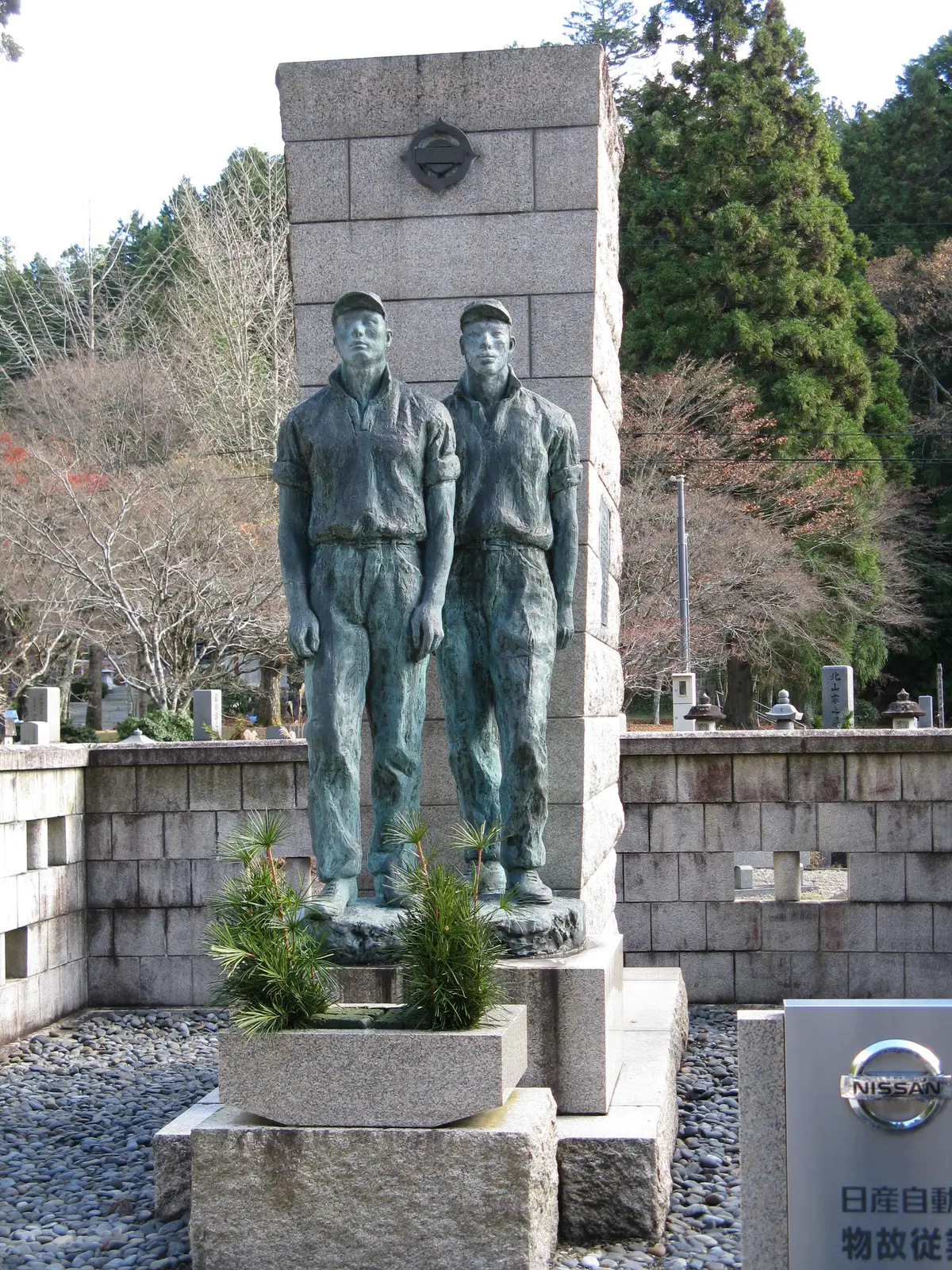
The newer section near Okunoin-mae has some of Japan's strangest graves: company memorials built for deceased employees. Look for a large stone coffee cup (UCC Coffee), a rocket modelled on Apollo 11 (the aircraft maker ShinMaywa, 1969), a memorial to termites put up by a pest-control company, and Panasonic's, one of the first, built by founder Konosuke Matsushita in 1938.
Guided night tours run most evenings, starting around 19:00 and ending at the mausoleum about 20:20 — usually booked through your temple lodging or the town's tour operators. The lanterns along the path stay lit from sunset until around midnight.
For somewhere to stay, see our Koyasan temple lodging guide — Ekoin and Sekishoin are both a short walk from the Ichi-no-hashi entrance. In mid-June, the Aoba Matsuri procession for Kobo Daishi's birthday starts at Ichi-no-hashi (the procession date varies by year — check before you go).
Visiting: hours and admission
Unlike most of Koyasan's temple halls, the cemetery itself never closes.
| Site | Hours | Admission |
|---|---|---|
| Cemetery paths | 24 hours | Free |
| Torodo (Hall of Lanterns) | 6:00 – 17:00, daily | Free |
| Shojingu meal procession | Daily at 6:00 and 10:30 | Free to watch |
Getting to Okunoin
From Osaka's Namba Station, take the Nankai Koya Line to Gokurakubashi, then the cable car up to Koyasan Station — about 1.5 to 2 hours in total. From Koyasan Station, buses run into town.
For Ichi-no-hashi, get off at Okunoin-guchi, or walk 10–15 minutes from Senjuinbashi in the town centre. For the short route, ride to the end of the line at Okunoin-mae. From the cable car station to Okunoin-mae takes about 20 minutes by bus.