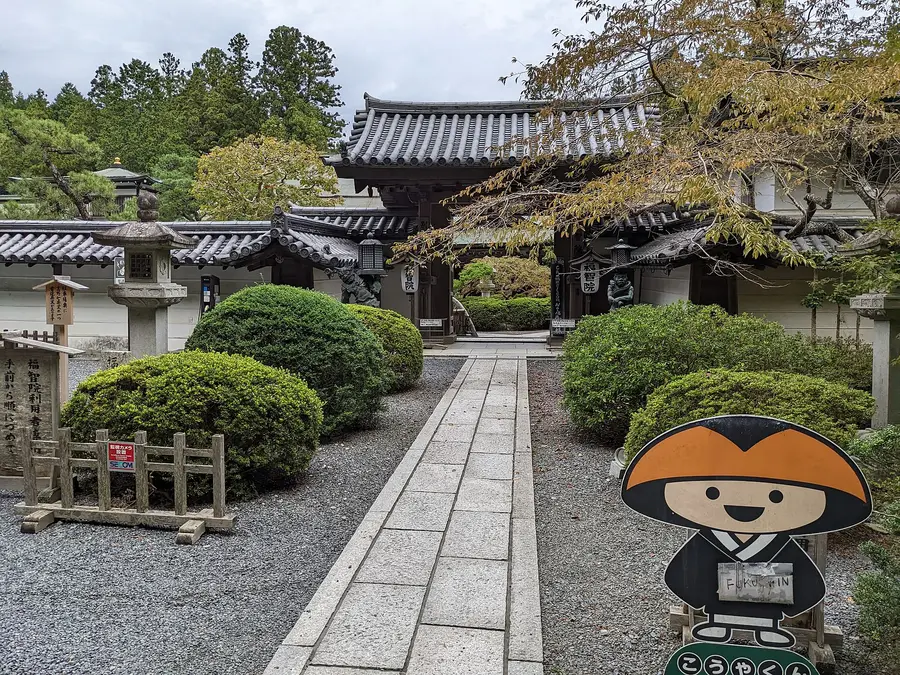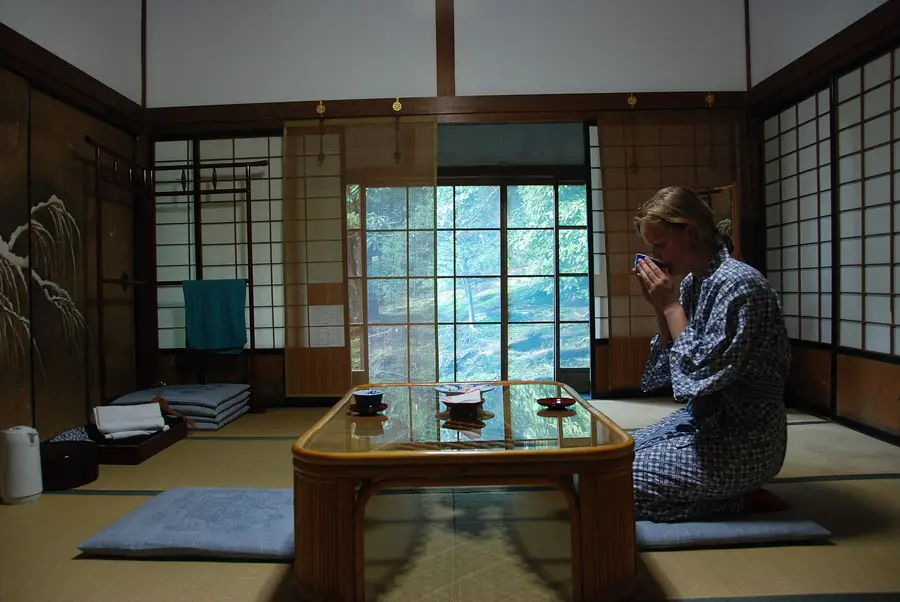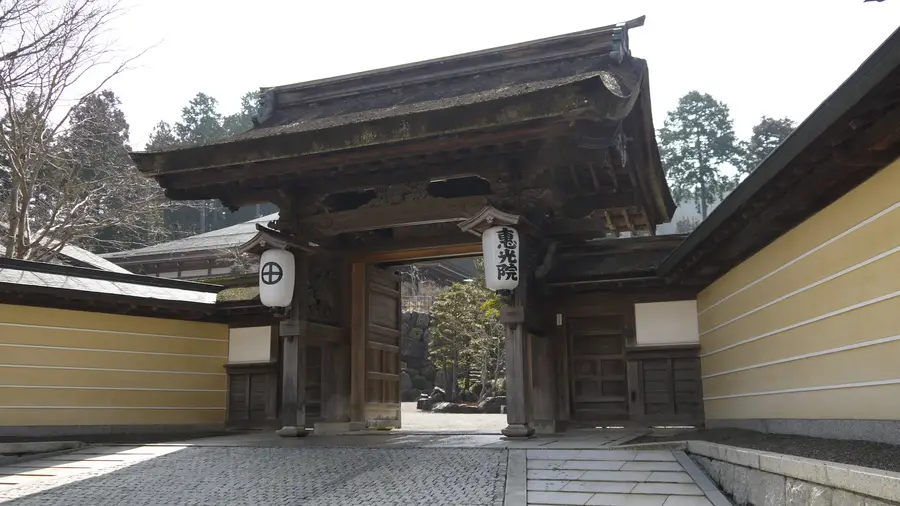
Ekoin (恵光院)
From ¥40,000 / night, 2 guests
The temple most set up for foreign guests: free morning goma fire ritual, meditation and calligraphy sessions, and top-tier rooms with a private open-air bath.
Official site→
Wakayama · Japan
A monastic town of roughly 120 temples, around fifty of which take overnight guests. This is how to pick one, what it costs, and what actually happens after check-in.
Kūkai founded Koyasan in 816 as a training monastery for Shingon Buddhism, and it still functions as one — this isn’t a museum piece kept alive for tourists. Most day-trippers see the Danjo Garan temple complex and Okunoin cemetery and leave by early evening, which is also when the town empties out and the morning-prayer schedules begin.
Staying overnight means you’re still there after the tour buses leave, and up before them the next morning: Okunoin at dawn, with mist still in the cedars, is a different place than Okunoin at 2pm.
Prices and bookability change fastest of anything on this page — everything below was checked against each temple’s own listing shortly before publication, but always confirm the current rate before you commit.
From ¥40,000 / night, 2 guests
The temple most set up for foreign guests: free morning goma fire ritual, meditation and calligraphy sessions, and top-tier rooms with a private open-air bath.
Official site→From ¥45,000 / night, 2 guests
Founded roughly 1,100 years ago and the closest shukubo to Okunoin cemetery. Rooms in the New Wing have a private bathroom; the historic Main Wing shares bathing facilities.
Booking.com→Check current rate
One of the few shukubo with a natural hot-spring bath, plus gardens designed by Mirei Shigemori. Origins trace to the Kamakura era.
Booking.com→Check current rate
Every room overlooks a zen garden. After the morning Goma ritual, a monk explains it in English over tea — the most approachable introduction to Shingon practice on the mountain.
Agoda→General range across Koyasan shukubo: roughly ¥10,000–40,000 per person per night with dinner and breakfast included; rooms with a private bath or a garden view sit at the upper end. Sources: Ekoin, Akamatsuin, Fukuchiin listings.
Dinner is served early, typically 5:30–6pm, and is shōjin ryōri: vegetarian, no meat, fish, or the “five pungent” vegetables like garlic and onion, prepared according to Buddhist practice. It is a highlight for most guests, not a compromise.
Rooms are unheated or lightly heated by regional standards — Koyasan sits at 800m elevation and gets genuinely cold from late autumn to early spring. Ask about heating if you’re visiting outside summer.
Book as early as you can for the November foliage season and Obon (mid-August) — the temples that take foreign guests in English fill first.
Take the Nankai Koya Line from Namba to Gokurakubashi (about 90 minutes on the express), then the Koyasan Cable Car up the mountain (5 minutes). From Koyasan Station, a bus covers the final stretch into town — most temples are a short walk from a bus stop.
The Nankai "Koyasan World Heritage Ticket" bundles the round-trip train, cable car, and unlimited bus travel on the mountain, and is usually cheaper than buying each leg separately.